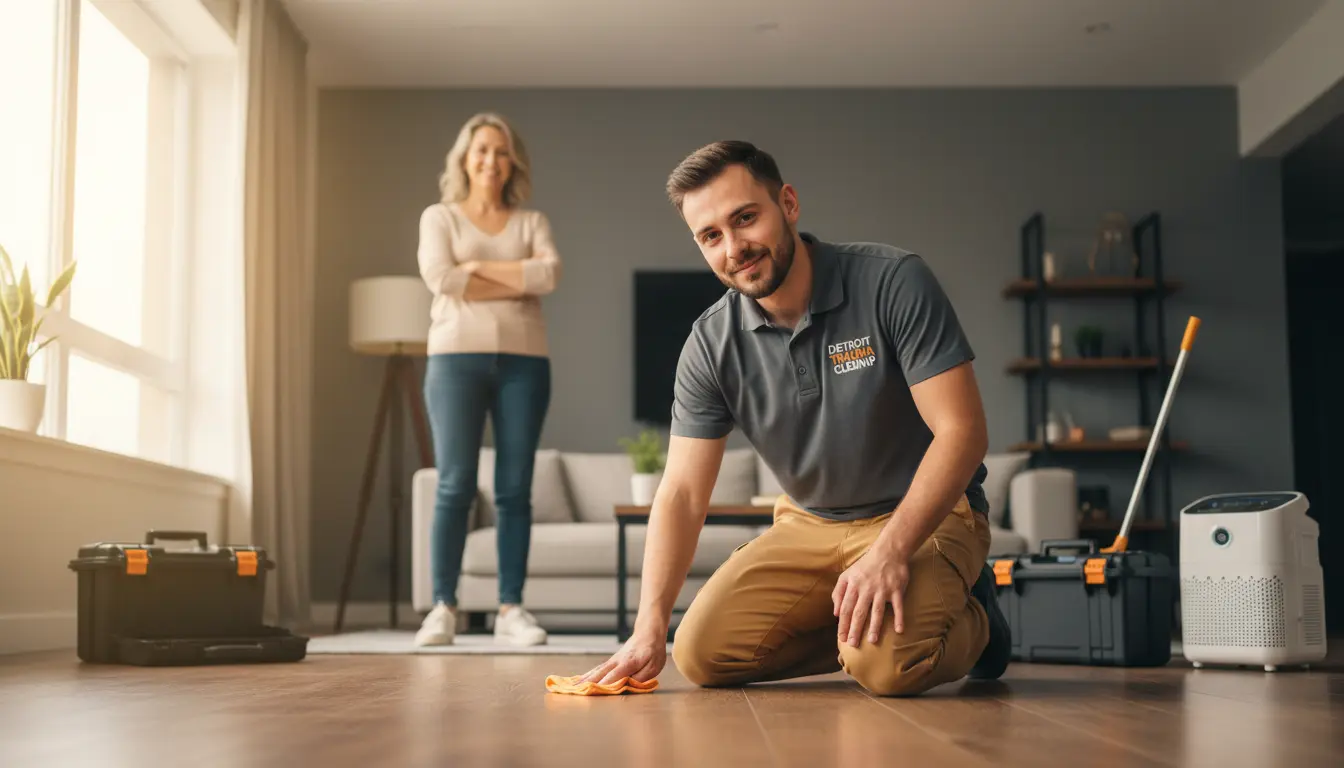
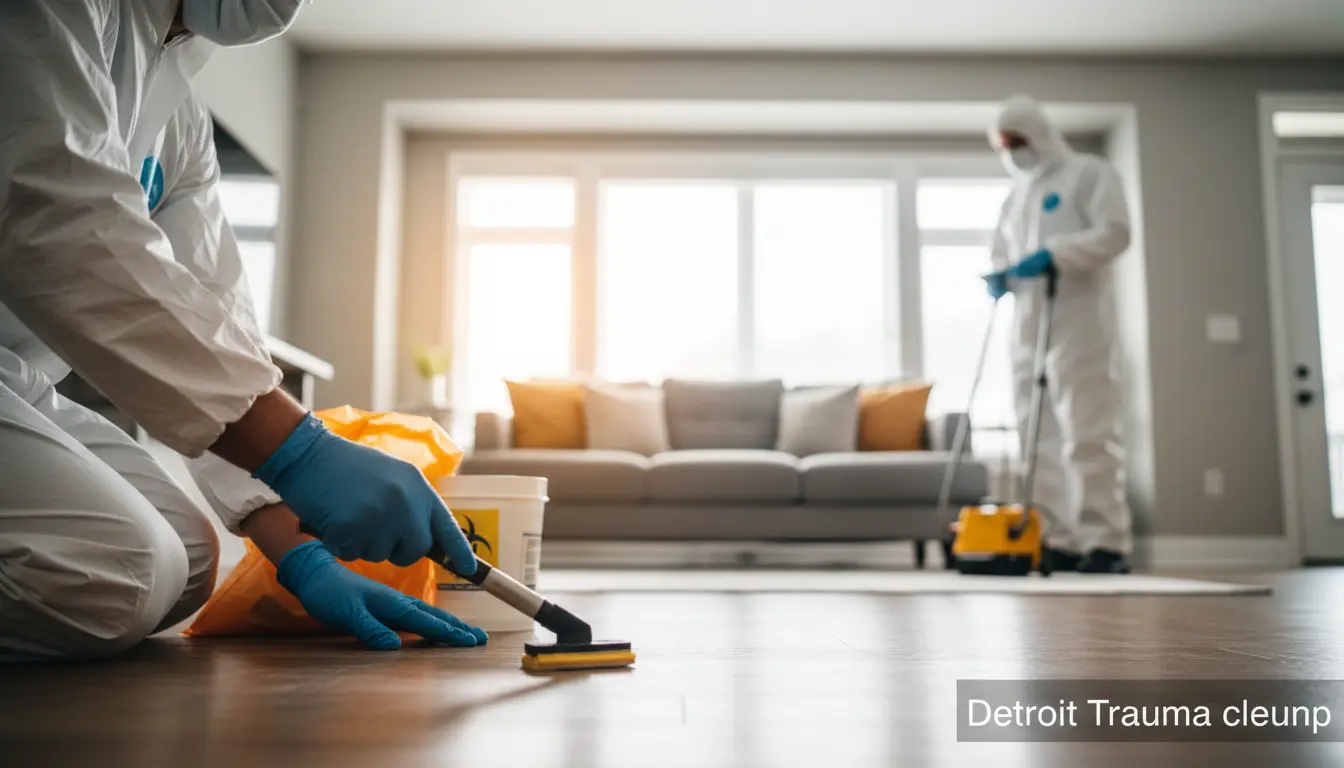
Imagine walking through the vibrant streets of Detroit, from the historic charm of Brush Park to the resilient neighborhoods of Brightmoor, unaware of invisible threats that could compromise your health. Bloodborne pathogens—microscopic invaders carried in blood and bodily fluids—pose serious risks in our daily lives, especially in a bustling city like Detroit. These hazards aren’t just a concern for medical professionals; they can lurk in accident scenes, abandoned properties, or even routine cleanups gone wrong. At Detroit Trauma Cleanup, we specialize in mitigating these dangers, ensuring your space is safe and restored. In this post, we’ll dive into the hidden risks, how they affect Detroit residents, and practical steps to protect yourself.
Understanding Bloodborne Pathogens: The Basics
Bloodborne pathogens are infectious microorganisms that can cause diseases like hepatitis B, hepatitis C, and HIV. They thrive in blood, semen, vaginal fluids, and other bodily substances, making them a silent threat in trauma situations. According to the CDC, exposure to these pathogens affects thousands annually, with urban areas like Detroit facing heightened risks due to population density and diverse incidents.
Common Types and Their Impacts
- Hepatitis B (HBV): Highly contagious, it attacks the liver and can lead to chronic illness. In Detroit’s fast-paced environment, from construction sites in Royal Oak to community events in West Bloomfield Township, accidental exposures are common.
- Hepatitis C (HCV): Often symptomless initially, it causes severe liver damage over time. Needles from illicit drug use in overlooked areas amplify this risk.
- HIV: While treatable, transmission through contaminated sharps or fluids remains a concern in emergency responses.
These pathogens don’t discriminate; they can infect anyone handling contaminated materials without proper precautions.
How Bloodborne Pathogens Spread in Detroit’s Urban Landscape
Detroit’s unique blend of industrial history, cultural vibrancy, and challenges creates fertile ground for pathogen spread. From the Detroit River waterfront to inner-city blocks, incidents like vehicle accidents, homicides, or unattended deaths release biohazards into the environment.
Local Hotspots and Real-World Scenarios
In neighborhoods like Brush Park, undergoing revitalization, construction and renovations can unearth old biohazards from past traumas. Similarly, in Brightmoor, where community cleanups are vital, improper handling of waste exposes volunteers to risks. We’ve seen cases where sewer overflows in Birmingham mix with bodily fluids, turning routine maintenance into a biohazard nightmare—highlighting the need for specialized sewer biohazard cleanup.
Urban decay in some areas means abandoned buildings harbor needles and fluids, posing dangers to first responders and residents. The Michigan Department of Health reports elevated exposure incidents in Wayne County, underscoring Detroit’s vulnerability.
Hidden Dangers You Might Overlook
The scariest part? These risks aren’t always obvious. A small spill from a minor accident might seem harmless, but without disinfection, it can contaminate surfaces for weeks. In homes, post-accident scenes in Royal Oak often involve bodily fluids disposal, which DIY efforts frequently mishandle, leading to cross-contamination.
Workplaces face similar threats: healthcare facilities, gyms, or even tattoo parlors in West Bloomfield Township deal with potential exposures. Forensic investigations after crimes reveal how pathogens persist in evidence, requiring forensic cleanup expertise to safely process scenes without further spread.
Even natural disasters, like flooding along the Detroit River, can mobilize contaminants from medical waste, blending with sewage in a toxic brew. Ignoring these hidden perils can result in long-term health issues, legal liabilities for property owners, and emotional trauma for affected families.
Practical Tips for Preventing Exposure in Detroit
Knowledge is your first line of defense. Here are actionable steps tailored to Detroit’s context to minimize risks:
Everyday Precautions for Residents and Businesses
- Wear Protective Gear: Always use gloves, masks, and eye protection when cleaning potential hazards. In high-risk areas like Brightmoor community spaces, stock up on PPE from local suppliers.
- Safe Disposal Practices: Never touch sharps with bare hands. Use puncture-resistant containers for needles, and for larger cleanups, opt for professional medical waste management to comply with OSHA standards.
- Disinfect Thoroughly: Use EPA-approved solutions like bleach (1:10 dilution) on surfaces. In humid Detroit summers, dry areas completely to prevent mold-pathogen interactions.
Home and Workplace Strategies
- Train Your Team: Businesses in Brush Park should conduct regular biohazard awareness sessions, especially post-incident.
- Secure Properties: Lock gates in vacant lots in Birmingham to deter illegal dumping.
- Emergency Kits: Keep a trauma kit handy, including biohazard bags and antiseptics, for quick response in accidents.
For major incidents, like a car crash in Royal Oak requiring accident scene restoration, delay DIY and call experts immediately to avoid aerosolizing pathogens.
Implementing these tips reduces exposure by up to 80%, per safety experts, but remember: professional intervention is crucial for thorough eradication.
When Professional Help is Essential
Not all cleanups are equal. Amateur attempts often spread contaminants further, turning a manageable issue into a health crisis. Detroit Trauma Cleanup brings certified technicians equipped with HEPA vacuums, industrial disinfectants, and compliance with local regulations. We’ve handled everything from suicide scenes in West Bloomfield Township to hoarding cleanups in Detroit proper, restoring safety without compromise.
Our process includes assessment, containment, decontamination, and verification—ensuring your property meets health codes. Serving all of Metro Detroit, from the upscale vibes of Birmingham to the gritty edges of Brightmoor, we’re your trusted partner.
FAQ: Common Questions About Bloodborne Pathogens in Detroit
What Should I Do If I Encounter a Potential Biohazard in My Home?
Isolate the area, avoid contact, and call professionals like Detroit Trauma Cleanup at (313) 789-1565. Do not attempt cleanup yourself to prevent exposure.
How Long Do Bloodborne Pathogens Remain Infectious?
HBV can survive outside the body for up to a week, HCV for days, and HIV for hours. In Detroit’s variable climate, warmth and moisture extend viability.
Are There Specific Regulations for Biohazard Cleanup in Michigan?
Yes, Michigan OSHA and EPA guidelines mandate proper handling. Our team ensures full compliance, avoiding fines for property owners.
Can Bloodborne Pathogens Spread Through Air or Water in Detroit?
Directly, no—but via contaminated water in sewers or aerosols during cleaning, yes. That’s why specialized sewer biohazard cleanup is vital.
How Much Does Professional Biohazard Cleanup Cost in Detroit?
Costs vary by scope, starting at $500 for small jobs. Contact us for a free estimate tailored to your situation in areas like Brush Park or Royal Oak.
Conclusion: Protect Yourself and Your Community Today
The hidden risks of bloodborne pathogens in Detroit are real, but they’re manageable with awareness and action. From the revitalizing streets of Brush Park to the suburban safety of West Bloomfield Township, staying vigilant safeguards lives. Don’t let these invisible threats disrupt your peace—reach out to Detroit Trauma Cleanup for expert, compassionate service. Call us at (313) 789-1565 or visit our site to schedule a consultation. Your safety is our mission; let’s keep Detroit secure together.