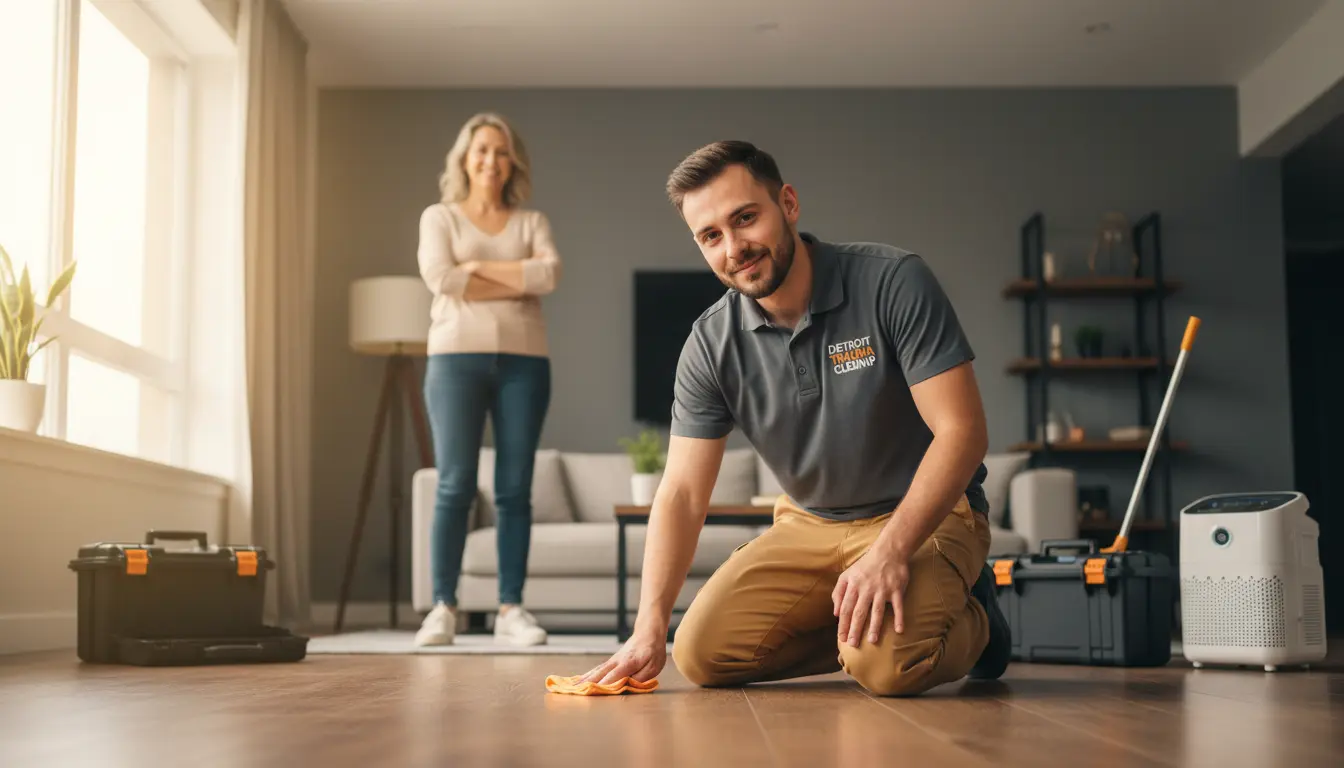
When a traumatic incident occurs in the heart of Detroit, the aftermath can leave properties in a state of distress that’s both physically hazardous and emotionally overwhelming. As the premier provider of trauma cleanup services in Detroit, Detroit Trauma Cleanup understands the unique challenges faced by residents and businesses in our vibrant city. From the bustling streets of Corktown to the historic homes in Indian Village, we’ve seen it all and developed best practices tailored to Detroit’s urban environment.
In this comprehensive guide, our local experts share proven strategies for handling trauma scenes safely and efficiently. Whether you’re a homeowner, property manager, or first responder, these insights will help you navigate the cleanup process while prioritizing health, safety, and legal compliance. Let’s dive into the essentials of trauma cleanup in Detroit.
Understanding Trauma Cleanup in Detroit
Trauma cleanup isn’t just about tidying up—it’s a specialized process that involves biohazard removal, disinfection, and restoration to pre-incident conditions. In a city like Detroit, where dense neighborhoods and industrial areas coexist, incidents can range from residential accidents to commercial biohazards.
Why Detroit-Specific Practices Matter
Detroit’s climate, with its harsh winters and humid summers, can accelerate the growth of pathogens if not addressed promptly. Our team at Detroit Trauma Cleanup emphasizes rapid response times, especially in high-traffic areas like Greektown, where public safety is paramount. Local regulations, including those from the Michigan Department of Environmental Quality, require certified handling of bloodborne pathogens, making professional intervention crucial.
For instance, in Bloomfield Hills’ upscale communities, we often deal with discreet, high-end cleanups that preserve property value. Ignoring these best practices can lead to health risks, legal liabilities, and costly remediation down the line.
Key Best Practices for Safe Trauma Scene Management
Effective trauma cleanup follows a structured approach. Here’s what our experts recommend, drawing from years of serving Detroit’s diverse neighborhoods.
Step 1: Secure the Area and Ensure Safety
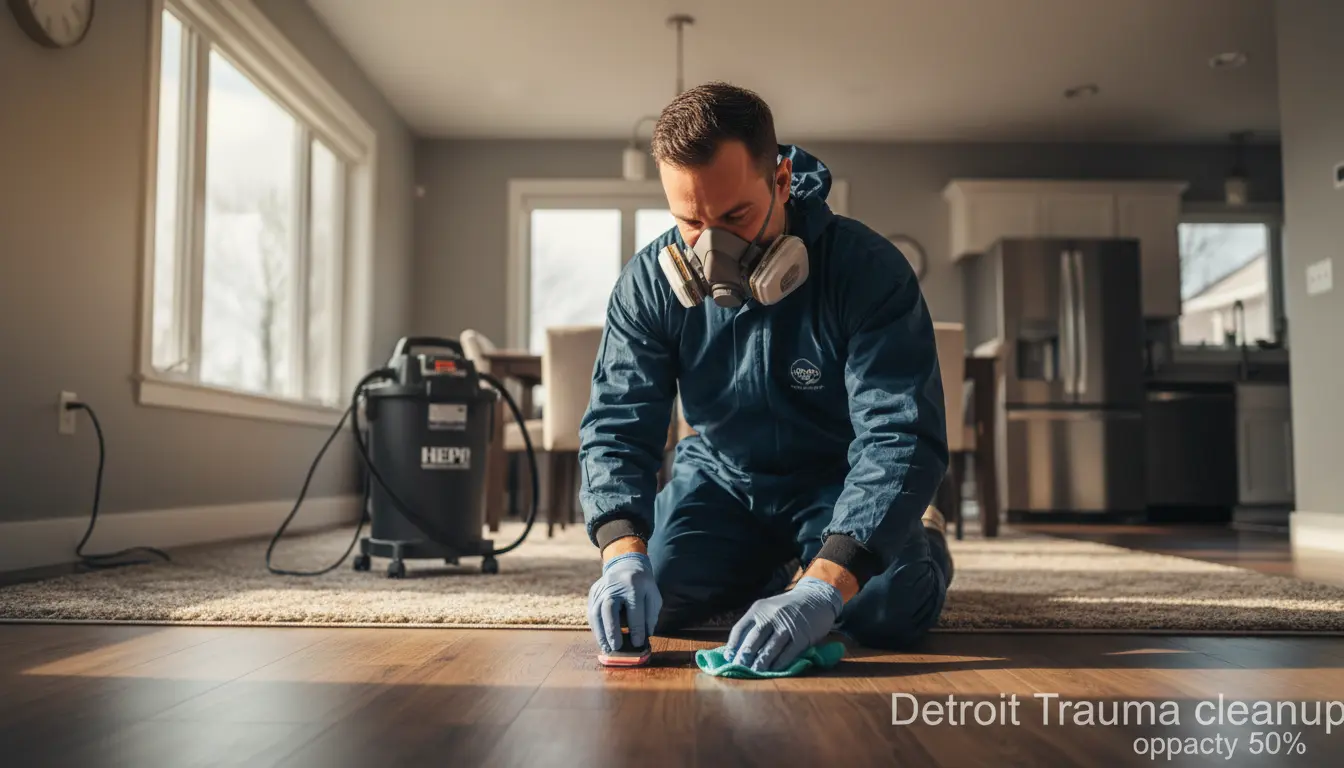
The first priority is always safety. Upon arrival at a scene, whether in the industrial zones of Farmington Hills or the cultural hubs of Indian Village, cordon off the area to prevent unauthorized access. Use personal protective equipment (PPE) like gloves, masks, and full-body suits to avoid exposure to blood, bodily fluids, or other contaminants.
Practical Tip: If you’re not a professional, do not attempt entry. Call Detroit Trauma Cleanup immediately at (313) 789-1565 for a swift assessment. Our trauma area sanitization services ensure the site is secured before any further action.
Step 2: Proper Biohazard Identification and Removal
Not all hazards are visible. Biohazards include blood, tissue, and fluids that can harbor diseases like hepatitis or HIV. In Detroit’s older buildings, like those in Corktown, porous materials such as wood floors or carpets can absorb contaminants, complicating removal.
Actionable Advice: Use EPA-approved disinfectants and tools like HEPA vacuums for extraction. For complex cases, opt for industrial biohazard removal to handle large-scale decontamination. Always document the process with photos for insurance and compliance purposes.
In one recent case in Greektown, our team identified hidden biohazards behind walls, preventing potential outbreaks in a busy entertainment district.
Step 3: Thorough Disinfection and Deodorization
Disinfection goes beyond surface cleaning. Apply hospital-grade solutions to kill 99.9% of pathogens, paying special attention to high-touch areas. Detroit’s variable weather means moisture control is key to prevent mold growth post-cleanup.
Practical Tip: Ventilate the space naturally or with industrial fans, but only after containment. Our post-trauma disinfection protocols include ozone treatments for odor elimination, restoring freshness to affected properties in areas like Bloomfield Hills.
Handling Specific Scenarios in Detroit
Detroit’s unique landscape influences cleanup strategies. Urban density in neighborhoods like Indian Village requires minimal disruption to neighbors, while suburban spots in Farmington Hills might involve larger properties.
Residential Trauma Cleanups
Homes in Detroit often feature tight spaces, making access challenging. For unattended deaths, which are sadly common in our aging population, start with natural death site cleaning to compassionately restore the space.
Local Reference: In Corktown’s revitalizing lofts, we’ve assisted families by combining cleanup with emotional support resources, ensuring the home feels safe again.
Commercial and Industrial Sites
Businesses in Greektown or industrial parks face stricter regulations. Quick turnaround is essential to minimize downtime. Our forensic cleanup expertise helps with crime scenes, coordinating with local law enforcement like the Detroit Police Department.
Actionable Advice: Inventory all waste as regulated medical waste and dispose via certified channels. In Farmington Hills’ corporate settings, we prioritize discretion and efficiency to get operations back online fast.
Legal and Compliance Considerations
Michigan law mandates proper handling of biohazards under OSHA standards. Non-compliance can result in fines up to $14,000 per violation. Always work with certified professionals to ensure adherence.
Tip: Retain records for at least three years. For Detroit-specific guidance, consult local health departments. At Detroit Trauma Cleanup, we handle all permitting, serving areas from Bloomfield Hills to the heart of the city.
Emotional and Community Support
Cleanup is as much about healing as it is about hygiene. In Detroit’s tight-knit communities, like those in Indian Village, we recommend connecting with local resources such as the Detroit Rescue Mission for grief counseling.
Our compassionate approach ensures sensitivity, especially in culturally rich areas like Greektown, where incidents can impact community morale.
FAQ: Common Questions About Trauma Cleanup in Detroit
What Should I Do Immediately After a Traumatic Incident?
Secure the area, evacuate if necessary, and contact professionals like Detroit Trauma Cleanup at (313) 789-1565. Avoid touching anything to preserve evidence and safety.
How Long Does Trauma Cleanup Take in Detroit?
It varies by scene size, but most residential cleanups in areas like Corktown take 4-8 hours. Complex industrial jobs in Farmington Hills may require 1-2 days.
Is Trauma Cleanup Covered by Insurance?
Often yes, under homeowner’s or commercial policies for biohazard events. We assist with claims and serve all of Detroit, including Bloomfield Hills.
Can I Handle Minor Trauma Cleanups Myself?
For small spills, use PPE and disinfectants, but for anything involving blood or death, call experts to avoid health risks. Our post-trauma disinfection is designed for thorough results.
Why Choose Local Experts for Detroit Areas?
We know Detroit’s layout, from Greektown’s crowds to Indian Village’s historic homes, ensuring faster, compliant service tailored to local needs.
Conclusion: Trust Detroit Trauma Cleanup for Expert Care
Navigating trauma cleanup in Detroit demands expertise, precision, and a deep understanding of our city’s pulse. By following these best practices—from securing the scene to thorough disinfection—you can mitigate risks and restore peace. But remember, the safest choice is leaving it to professionals.
At Detroit Trauma Cleanup, we’re committed to serving our community with compassion and efficiency. Whether you’re in Corktown, Bloomfield Hills, or beyond, contact us today at (313) 789-1565 or visit our trauma area sanitization page to learn more. Let’s reclaim your space and move forward together.