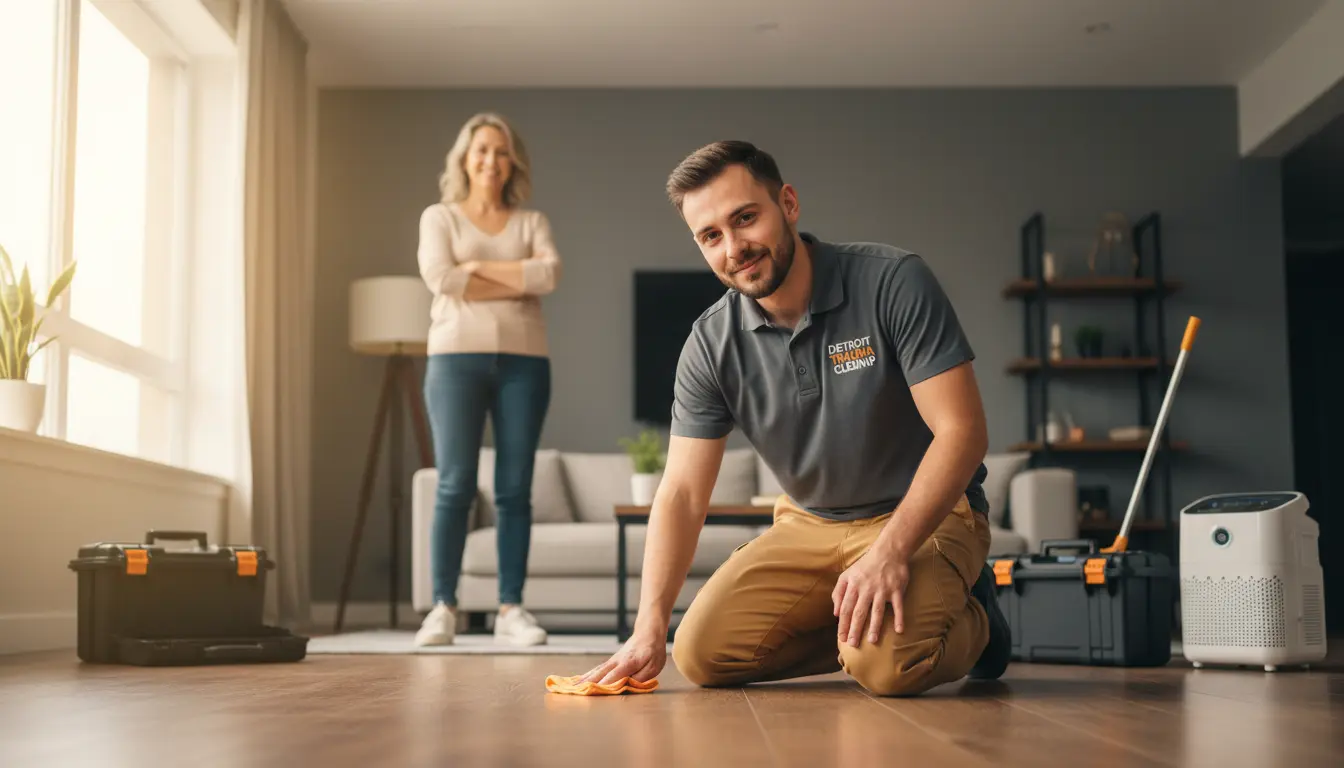
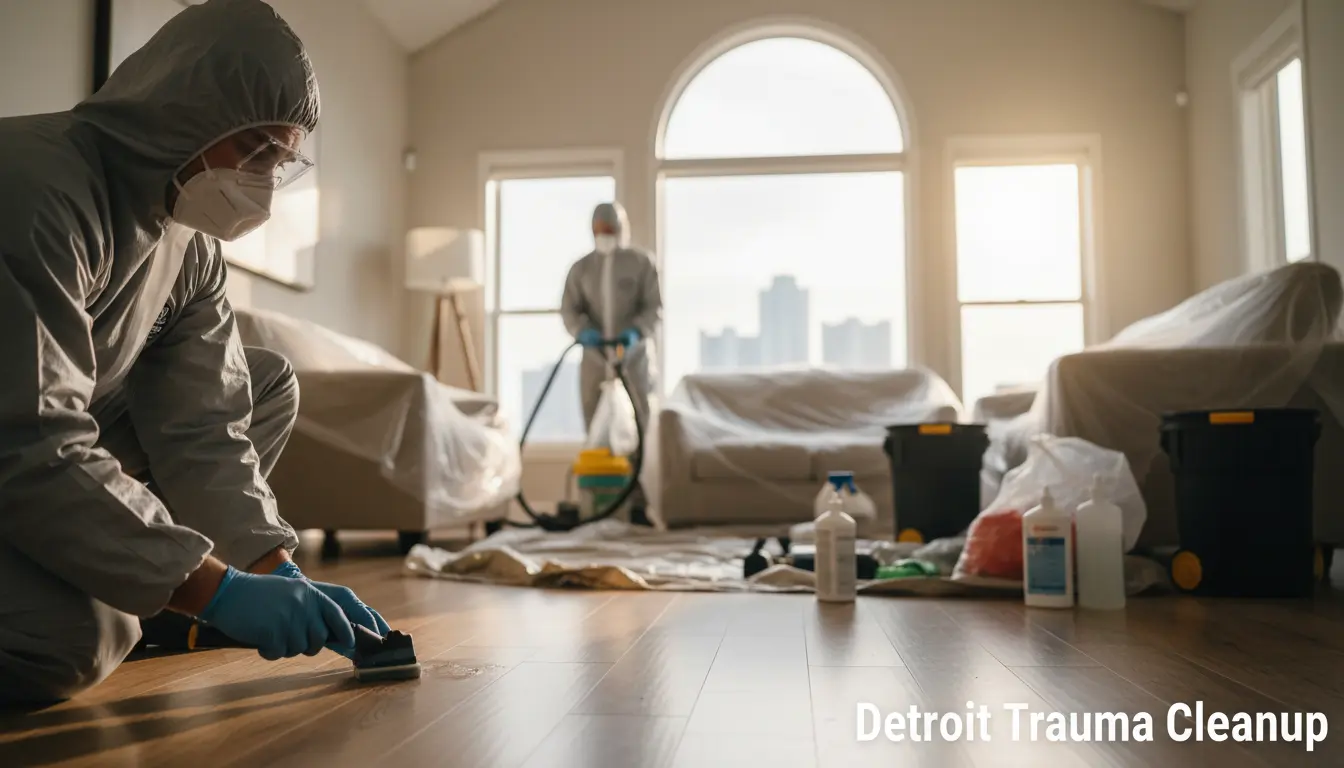
Trauma scenes in Detroit can leave lasting emotional and physical scars, but proper cleanup restores safety and peace. Whether it’s an unattended death in a historic home near the Detroit River or a violent incident in a bustling neighborhood, the aftermath demands expert handling. At Detroit Trauma Cleanup, we specialize in compassionate, efficient trauma scene restoration across the Motor City. This guide equips you with essential knowledge to navigate the process, ensuring health, safety, and compliance with local regulations.
In a city as vibrant and resilient as Detroit, where communities rally together from challenges like those in Downtown Detroit, understanding trauma cleanup is crucial. We’ll cover everything from initial response to long-term recovery, drawing on our years of serving Metro Detroit families and businesses.
Understanding Trauma Cleanup: What It Entails
Trauma cleanup goes beyond regular janitorial services—it’s a specialized process addressing biohazards, structural damage, and emotional trauma. In Detroit, where urban density and historical architecture add unique challenges, professional intervention is non-negotiable.
The Scope of a Trauma Scene
A trauma scene might involve bloodborne pathogens, bodily fluids, or chemical residues from incidents like suicides, homicides, or accidents. Michigan’s Department of Health emphasizes that untrained individuals risk exposure to diseases such as hepatitis or HIV. For instance, in high-traffic areas like Midtown Detroit, quick containment prevents community-wide hazards.
Our team at Detroit Trauma Cleanup uses EPA-approved disinfectants and follows OSHA guidelines to decontaminate spaces thoroughly. If you’re dealing with such a situation in Eastern Market, know that delays can lead to mold growth in the humid Great Lakes climate.
Legal and Health Regulations in Detroit
Detroit follows strict state and federal laws for biohazard disposal. The Michigan Occupational Safety and Health Administration (MIOSHA) mandates certified handling of infectious materials. Property owners must notify authorities for unattended deaths, and improper cleanup can result in fines up to $10,000.
Local references matter: In neighborhoods like Corktown, with its mix of residential and commercial properties, compliance ensures your space is safe for reinhabitation. Always document the scene before cleanup to assist investigations by the Detroit Police Department.
Step-by-Step Trauma Cleanup Process
Navigating trauma cleanup requires a methodical approach. Here’s how Detroit Trauma Cleanup handles it, providing a blueprint you can follow or use to evaluate professionals.
Step 1: Securing the Scene
Immediately cordon off the area to prevent unauthorized access. In Detroit’s variable weather, tarps and barriers protect against rain exacerbating biohazards. Call emergency services first if the incident is recent—dial 911, then contact us at (313) 789-1565 for specialized support.
Practical tip: Wear personal protective equipment (PPE) like gloves, masks, and suits if you must enter briefly. Avoid touching anything to preserve evidence, especially in legal cases common in urban Detroit.
Step 2: Assessment and Planning
Professionals assess the extent of contamination, identifying porous materials like carpets that may need removal. In historic Detroit buildings, such as those in Brush Park, we prioritize preserving architectural integrity while ensuring safety.
Actionable advice: Take photos from a distance and note odors or visible fluids. This helps estimate costs—expect $1,000 to $5,000 for standard residential jobs in Detroit, varying by size and severity.
Step 3: Removal of Biohazards
This is where expertise shines. We remove contaminated items and transport them via sealed containers to licensed facilities. For biohazard waste removal, our process includes vacuuming fluids with HEPA filters to capture airborne particles.
Tip: Never use household cleaners; they can spread pathogens. In Detroit’s older homes, check for asbestos or lead paint disturbed during cleanup—our team tests for these.
Step 4: Deep Cleaning and Disinfection
Surfaces are scrubbed with hospital-grade solutions, followed by fogging for hard-to-reach areas. In commercial spaces like those in Greektown, we minimize downtime with efficient methods.
Practical advice: Allow 24-48 hours for ventilation post-cleanup. Odor neutralization is key—use enzyme-based products for organic residues.
Step 5: Restoration and Deodorization
Finally, we repair damages, repaint, and restore the space to pre-incident condition. For Detroit’s creative districts, this might include custom finishes to match original aesthetics.
Practical Tips for Trauma Cleanup in Detroit
Detroit’s unique environment—from industrial remnants to community-focused recovery—shapes best practices.
Handling Emotional Aspects
Cleanup isn’t just physical; it’s emotional. Engage grief counselors, especially after incidents in tight-knit areas like Southwest Detroit. We at Detroit Trauma Cleanup offer discreet services to respect privacy.
Tip: Create a support plan—notify family, secure valuables, and consider temporary relocation during the process.
Cost-Saving Strategies
Prevent escalation by acting fast. Insurance often covers trauma cleanup under homeowner policies; check with providers like State Farm, common in Michigan.
Actionable advice: For smaller incidents, DIY initial containment, but hire pros for full decontamination. In budget-conscious Detroit, our transparent pricing avoids surprises.
Eco-Friendly Practices
Michigan’s environmental laws favor sustainable methods. We use biodegradable cleaners and recycle non-hazardous waste, aligning with Detroit’s green initiatives like the Detroit River cleanup efforts.
Tip: Dispose of fluids at designated hazmat sites, such as those operated by Wayne County.
When to Call Professionals: Red Flags
If you smell persistent odors, see discoloration, or feel overwhelmed, it’s time to call experts. In high-risk areas like Woodward Avenue, where foot traffic is heavy, professional biohazard cleanup services prevent public health risks.
Don’t risk health—our 24/7 response ensures rapid intervention.
FAQ: Common Questions About Trauma Cleanup in Detroit
What is the difference between trauma cleanup and regular cleaning?
Trauma cleanup specifically addresses biohazards with medical-grade protocols, unlike standard cleaning which can’t handle pathogens. In Detroit, this distinction is vital for legal compliance.
How long does trauma cleanup take in a Detroit home?
Typically 4-8 hours for a single room, but larger scenes or those in multi-story buildings like lofts in Midtown may take days. We coordinate to minimize disruption.
Is trauma cleanup covered by insurance in Michigan?
Yes, most policies include it under ‘unforeseen events.’ Contact your agent and provide our detailed report for claims.
Can I handle trauma cleanup myself?
Not recommended due to health risks. For minor spills, use PPE, but for full scenes, professionals like Detroit Trauma Cleanup ensure safety.
What areas in Detroit do you serve?
We cover all of Metro Detroit, including Downtown Detroit and surrounding suburbs, with rapid response times.
Conclusion: Restore Safety with Detroit Trauma Cleanup
Trauma cleanup in Detroit demands precision, compassion, and local knowledge to turn devastation into renewal. From the steps outlined to tips tailored for our city’s landscape, you’re now equipped to make informed decisions. Don’t face this alone—contact Detroit Trauma Cleanup today at (313) 789-1565 for expert, reliable service. Let us help you reclaim your space and peace of mind in the heart of Motown.