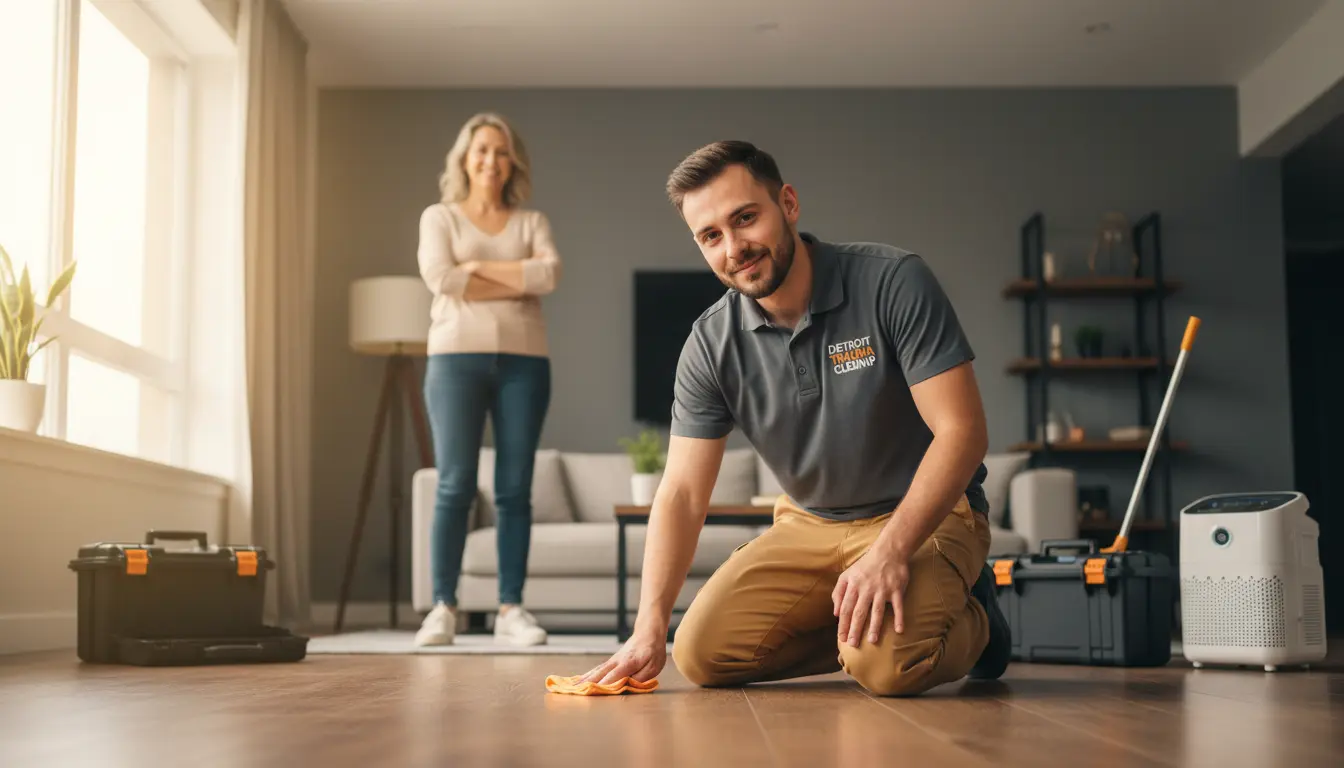
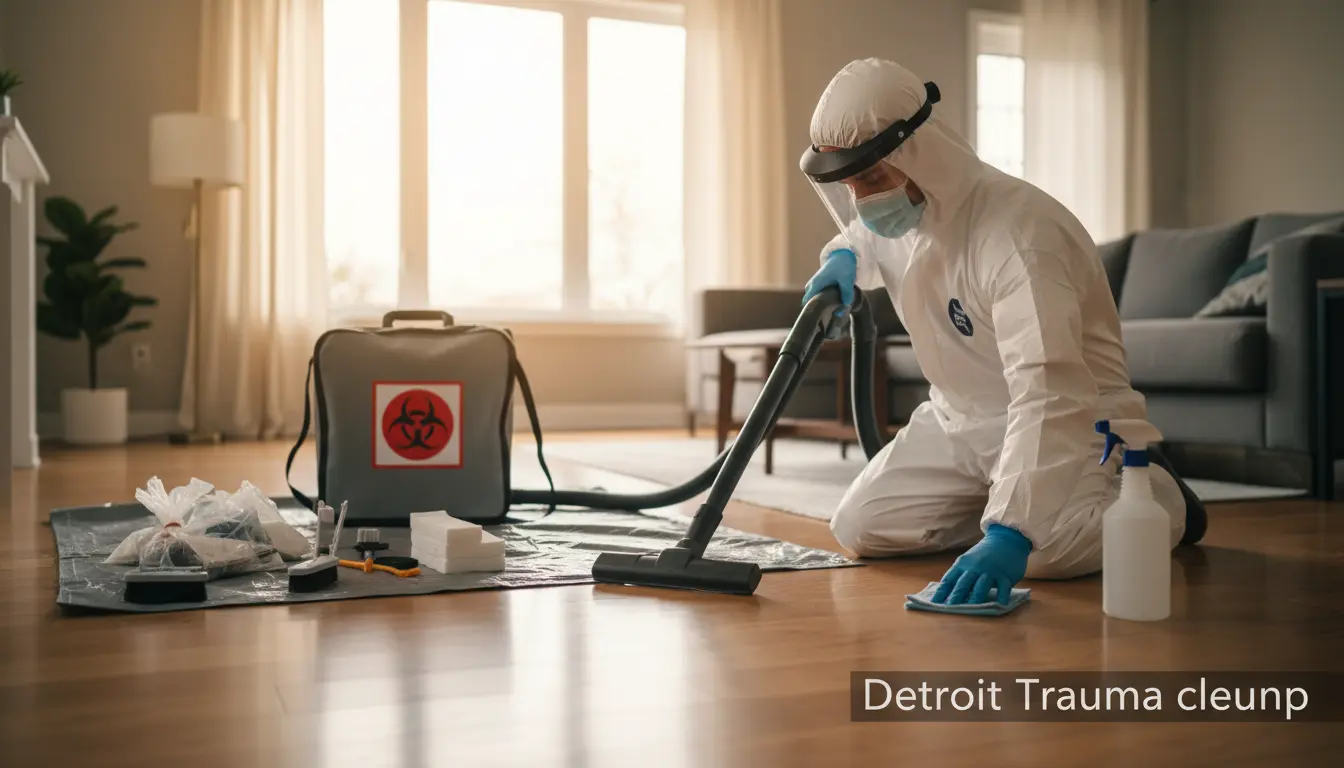
Accidents happen unexpectedly, and when they involve biohazards like blood, bodily fluids, or other contaminants, the aftermath can be overwhelming. In a bustling city like Detroit, where life moves at a fast pace—from the vibrant streets of Greektown to the quiet neighborhoods of Royal Oak—knowing how to handle biohazard cleanup is crucial for protecting health and preventing further risks. As a leading provider in trauma scene cleanup, Detroit Trauma Cleanup understands the emotional and physical toll these situations take. Whether it’s a car crash on the Lodge Freeway or an unfortunate incident at home, proper remediation ensures safety and peace of mind.
In this guide, we’ll share the top 7 tips for effective biohazard remediation after accidents. These actionable steps are designed to help you navigate the process safely, especially if you’re in areas like Birmingham or Brightmoor where quick response is key. Remember, while these tips empower you with knowledge, professional services are often the safest choice—reach out to Detroit Trauma Cleanup at (313) 789-1565 for expert assistance.
Understanding Biohazard Remediation
Biohazard remediation involves the safe removal, cleaning, and disinfection of hazardous materials resulting from accidents, crimes, or unattended deaths. These materials can include bloodborne pathogens, bacteria, and viruses that pose serious health risks if not handled correctly. In Detroit’s diverse communities, from industrial zones to residential areas like Huntington Woods, accidents can occur anywhere, making awareness essential.
Why Professional Help Matters
Attempting DIY cleanup without proper training can lead to exposure to infectious agents or legal issues, as biohazards are regulated by OSHA and EPA standards. For instance, after a vehicle accident, contaminants might seep into interiors, requiring specialized vehicle interior cleaning to restore safety. Detroit Trauma Cleanup’s certified technicians use hospital-grade disinfectants and follow strict protocols to eliminate risks thoroughly.
Top 7 Tips for Biohazard Remediation After Accidents
Here are our top 7 practical tips to guide you through the remediation process. These steps prioritize safety, efficiency, and compliance, tailored for Detroit residents facing urgent situations.
Tip 1: Secure the Area Immediately
The first step after an accident is to isolate the affected area to prevent accidental exposure. In Detroit’s busy urban environment, this might mean cordoning off a room in your home or securing a crash site on a side street in Greektown. Use caution tape, signs, or barriers to keep family members, pets, or bystanders away. If the incident involves an unattended death, consider our specialized unattended death remediation services to handle the delicate process professionally.
Notify authorities if required—such as calling 911 for medical emergencies—and avoid touching anything until professionals arrive. This initial containment minimizes the spread of contaminants, which is vital in humid Michigan weather that can accelerate bacterial growth.
Tip 2: Gather Essential Safety Gear
Personal protective equipment (PPE) is non-negotiable. Equip yourself with gloves, masks (N95 or higher), goggles, and disposable coveralls. For larger-scale cleanups, like those in industrial settings near Detroit’s factories, full-body suits may be needed. Source PPE from local hardware stores in areas like Royal Oak or online suppliers.
If you’re dealing with post-trauma scenarios, our post-trauma disinfection team arrives fully geared, ensuring no cross-contamination. Remember, improper gear can lead to health issues like hepatitis or HIV transmission—don’t risk it.
Tip 3: Document the Scene Thoroughly
Before any cleanup begins, take detailed photos and notes of the scene. This documentation is crucial for insurance claims, especially in accident-prone Detroit where claims for vehicle or property damage are common. Note the location, time, and visible hazards.
In neighborhoods like Brightmoor, where community support is strong, sharing this info with local authorities can aid investigations. Professionals from Detroit Trauma Cleanup often assist with this step, providing reports that streamline the process.
Tip 4: Use Appropriate Cleaning Agents
Select EPA-approved disinfectants effective against biohazards, such as those containing bleach (1:10 dilution) or quaternary ammonium compounds. Avoid household cleaners, as they may not kill pathogens. For porous surfaces like carpets in a Birmingham home, steam cleaning with antimicrobial solutions is ideal.
Apply the agent, let it dwell for the recommended time (usually 10 minutes), then wipe or rinse. In cases of hoarding situations exacerbated by accidents, our hoarding situation cleanup services integrate these methods for comprehensive results.
Tip 5: Handle Waste Disposal Correctly
Biohazardous waste must be double-bagged in red or biohazard-labeled bags and disposed of according to local regulations. In Detroit, contact Waste Management or similar services for pickup—never use regular trash. Sharps like needles require puncture-proof containers.
For industrial accidents in areas like Huntington Woods’ commercial districts, industrial biohazard removal ensures compliant disposal, preventing environmental hazards in our Great Lakes region.
Tip 6: Ventilate and Deodorize the Space
After cleaning, open windows and use fans to air out the area, reducing airborne particles. In Detroit’s variable climate, this step prevents mold growth from residual moisture. Employ ozone generators or enzyme-based deodorizers for lingering odors, common after trauma incidents.
Our team at Detroit Trauma Cleanup uses advanced HEPA filtration to restore air quality, particularly important in enclosed spaces like vehicles or apartments in Greektown.
Tip 7: Seek Professional Inspection and Certification
Once cleanup is complete, have a professional inspect the site to confirm it’s safe. This step provides peace of mind and may be required for re-occupancy. In Detroit, where property values matter, certification can boost resale potential.
Contact Detroit Trauma Cleanup for a thorough post-remediation assessment—we serve all areas, from Royal Oak to Birmingham, ensuring your space meets health standards.
FAQ: Common Questions About Biohazard Remediation
What Should I Do Immediately After a Biohazard Accident in Detroit?
Secure the area, call emergency services if needed, and contact professionals like Detroit Trauma Cleanup at (313) 789-1565. Avoid touching anything to prevent contamination.
How Long Does Biohazard Cleanup Take?
It varies by severity—small incidents might take hours, while larger ones like unattended deaths could span days. Our team provides rapid response in Detroit metro areas.
Is Biohazard Cleanup Covered by Insurance?
Often yes, under homeowners or auto policies. Document everything and consult your provider; we can help with claims.
Can I Clean Biohazards Myself?
It’s risky without training. For safety, especially in sensitive areas like Brightmoor homes, hire certified experts to avoid health and legal pitfalls.
What Are the Health Risks of Improper Remediation?
Exposure to pathogens can cause infections, respiratory issues, or long-term illnesses. Proper protocols, as used by Detroit Trauma Cleanup, mitigate these dangers.
Conclusion: Take Control with Expert Support
Biohazard remediation after accidents doesn’t have to be daunting. By following these top 7 tips—from securing the scene to professional certification—you can safeguard your health and property in Detroit’s dynamic environment. Whether in the heart of Greektown or the suburbs of Royal Oak, accidents require swift, knowledgeable action.
At Detroit Trauma Cleanup, we’re committed to serving our community with compassion and expertise. Don’t hesitate—call us today at (313) 789-1565 for immediate assistance. Restore safety and serenity to your space with professionals you can trust.