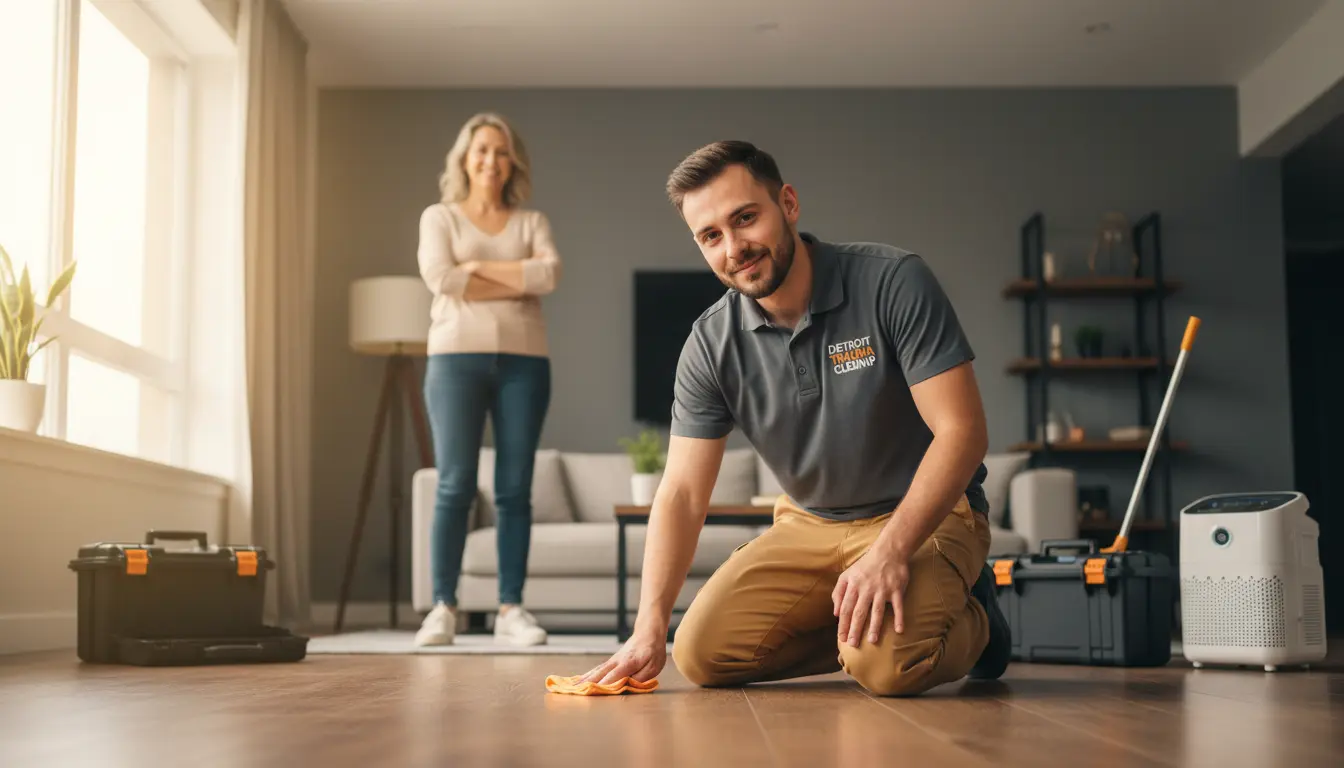
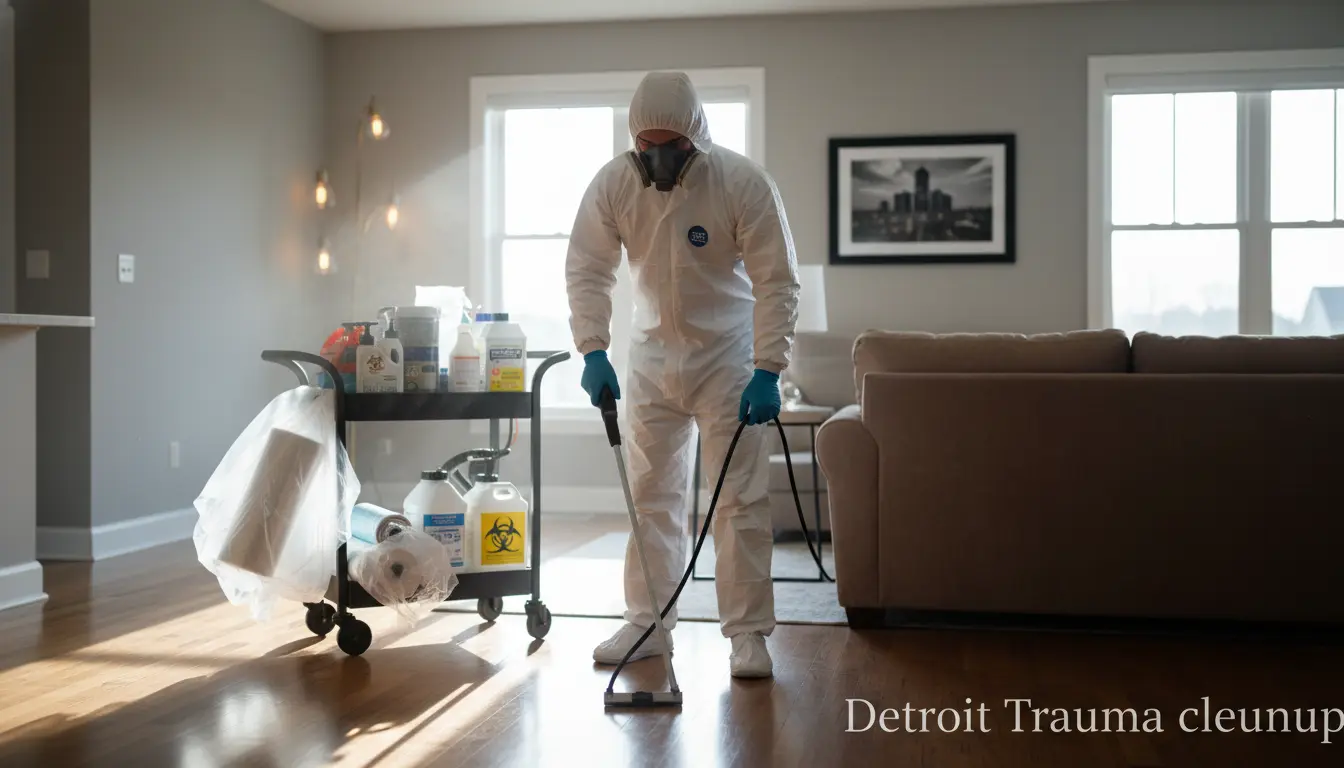
Detroit, the Motor City, has a storied history of resilience amid challenges. But behind the headlines of revitalization lies a stark reality: crime rates that demand swift and thorough responses. Imagine walking into a home or business tainted by violence or tragedy— the emotional toll is immense, but so are the hidden dangers of biohazards. In this post, we’ll dive into eye-opening statistics on crime scene cleanups in Detroit, explore the processes involved, and share practical advice for residents and property owners. As Detroit Trauma Cleanup, we’ve served the community for years, restoring safety to spaces across the city. Stick around to learn how professional intervention can make all the difference.
The Harsh Reality of Crime in Detroit
Detroit’s crime landscape has evolved, but certain areas still grapple with higher incidents of violent crime. According to recent FBI data, Michigan ranks among the top states for aggravated assaults, with Detroit contributing significantly to those numbers. In 2022 alone, the city reported over 10,000 violent crimes, a figure that underscores the need for specialized cleanup services post-incident.
Key Statistics on Crime Scenes
Let’s break down some shocking stats:
- Homicide Rates: Detroit’s homicide count hovered around 300 in recent years, each requiring meticulous crime scene cleanup to remove blood, bodily fluids, and other contaminants.
- Property Crime Impact: Burglaries and robberies often leave scenes needing decontamination, with over 20,000 property crimes reported annually in Wayne County.
- Biohazard Exposure: Studies from the CDC indicate that improper handling of crime scenes can expose cleanup crews and residents to pathogens like hepatitis and HIV, with Detroit seeing a 15% uptick in such calls due to urban density.
These numbers aren’t just abstract—they translate to real families and businesses in neighborhoods like Downtown Detroit facing traumatic aftermaths. For instance, in high-traffic areas, unattended deaths add another layer of complexity, often going undiscovered for days.
Understanding the Crime Scene Cleanup Process
After law enforcement vacates a site, the real work begins. Crime scene cleanup isn’t a simple mop-and-bucket job; it’s a regulated process involving hazardous materials handling. In Detroit, where industrial grit meets modern challenges, professionals must navigate everything from urban decay to strict EPA guidelines.
Steps in Professional Remediation
- Assessment and Safety: Teams arrive in PPE, evaluating the extent of biohazards. In areas like Warren, where residential density is high, this step prevents cross-contamination.
- Removal of Debris: Bodily fluids and tissues are carefully extracted and disposed of as medical waste. Our Medical Waste Management services ensure compliance with OSHA standards.
- Disinfection and Sanitization: Using hospital-grade disinfectants, we target pathogens. Learn more about our Pathogen Disinfection Process to see how we eliminate risks.
- Restoration: Finally, we restore the space to its pre-incident condition through Accident Scene Restoration, from carpet replacement to odor neutralization.
In Detroit’s variable climate, moisture from Lake St. Clair can exacerbate mold growth post-cleanup, making timely intervention crucial.
Shocking Facts About Biohazards in Urban Cleanups
Biohazards from crime scenes aren’t visible to the naked eye, but their impact is profound. A single drop of blood can harbor thousands of infectious agents, and in Detroit’s older housing stock, porous materials like wood and fabric absorb them deeply.
The Hidden Dangers
- Infection Risks: The WHO reports that bloodborne pathogens cause thousands of infections yearly worldwide; locally, Detroit’s health department has noted spikes in exposure cases tied to DIY cleanups.
- Odor and Structural Damage: Decomposing matter in unattended deaths releases gases that corrode metals and weaken structures, a common issue in Ferndale homes.
- Psychological Impact: Beyond physical hazards, contaminated sites can deter property sales, with real estate experts estimating a 20-30% value drop in affected Detroit properties.
For specialized handling of these scenarios, our Unattended Death Remediation and Trauma Area Sanitization services provide comprehensive solutions tailored to the city’s unique needs.
Practical Tips for Detroit Residents and Property Owners
Facing a crime scene? Don’t panic—act smartly. Here are actionable steps to protect health and property:
Immediate Actions Post-Incident
- Secure the Area: Cordon off the site to prevent unauthorized entry. In bustling spots like Royal Oak, this avoids community exposure.
- Avoid DIY Cleanup: Touching biohazards without protection can lead to severe health issues. Always call professionals like Detroit Trauma Cleanup at (313) 789-1565.
- Document for Insurance: Take photos (from a safe distance) and note details for claims. Michigan’s insurance laws often cover professional cleanups up to $10,000.
Preventive Measures
- Install Security Systems: In high-crime areas like Bagley, smart cameras and alarms reduce incidents by up to 40%, per local police reports.
- Regular Maintenance: For rental properties, schedule annual inspections to catch potential hazards early.
- Community Awareness: Join neighborhood watches in Detroit’s east side to stay informed about rising trends.
These tips empower you to respond effectively, minimizing long-term trauma.
FAQ: Common Questions About Crime Scene Cleanups in Detroit
How Long Does a Crime Scene Cleanup Take in Detroit?
Timelines vary by scene complexity, but most take 4-8 hours. Larger sites in industrial zones may require multiple days. Detroit Trauma Cleanup prioritizes rapid response to get you back to normal.
Is Crime Scene Cleanup Covered by Insurance in Michigan?
Yes, homeowner’s and renter’s policies often include coverage for biohazard remediation. Contact your provider and us at (313) 789-1565 for guidance on filing claims.
What Certifications Do Cleanup Teams Need?
Professionals must be OSHA-trained in bloodborne pathogens and EPA-compliant for waste disposal. Our team at Detroit Trauma Cleanup holds all necessary certifications for safe, legal service.
Can I Clean a Minor Crime Scene Myself?
No— even small incidents pose risks. Leave it to experts to avoid health hazards and legal issues under Michigan’s biohazard laws.
How Much Does Professional Cleanup Cost in Detroit?
Costs range from $500-$5,000 based on size and hazards. We offer free estimates; call (313) 789-1565 to discuss your situation.
Conclusion: Restore Safety with Detroit Trauma Cleanup
The stats on crime scene cleanups in Detroit are sobering, but they highlight the vital role of professional services in reclaiming spaces from tragedy. From the heart of Downtown Detroit to suburban Warren, we’re committed to compassionate, efficient remediation that prioritizes your well-being.
Don’t let biohazards linger—contact Detroit Trauma Cleanup today at (313) 789-1565 for a confidential consultation. We’re here 24/7 to serve the Motor City and restore peace of mind.