
Local Trauma Cleanup Experts Share Detroit Best Practices
When a traumatic incident occurs in the heart of Detroit, the aftermath can leave properties in a state of distress that’s both physically hazardous and...
Read Article
Most people assume that after a traumatic event, the first call should be to a cleaning company. In reality, the most critical step is to secure the site and wait for certified biohazard remediation specialists—standard residential cleaners lack the training, equipment, and legal authority to handle bloodborne pathogens, tissue remnants, or chemical contaminants. A single misstep can expose occupants to hepatitis B, HIV, or norovirus, and can violate Michigan’s occupational safety regulations. Detroit Trauma cleanup exists precisely because conventional approaches fail when biological hazards are present, and our team brings the technical rigor that the situation demands.
Detroit’s unique residential landscape—from historic brick homes in Indian Village to post-war bungalows in East English Village—presents structural challenges that require precision. Aging wooden subfloors, porous plaster walls, and forced-air heating systems can trap biohazardous materials and odors, accelerating decomposition and microbial growth. Seasonal temperature swings in the Great Lakes region further complicate matters: summer humidity accelerates bacterial proliferation, while winter ice can delay site access and freeze blood pools, making initial assessment more difficult. Only a provider with deep local knowledge and IICRC S540 certification can navigate these variables safely.
Professional trauma cleanup follows a rigorous, evidence-based workflow that begins long before any physical cleaning occurs. The first step is a comprehensive risk assessment conducted by a certified remediation supervisor. This involves mapping the affected area, identifying all types of biological materials present, and evaluating the porosity of surfaces. For example, blood that has soaked into unsealed hardwood floors in a 1920s Detroit home cannot be fully removed by surface wiping; the material must be removed and replaced.
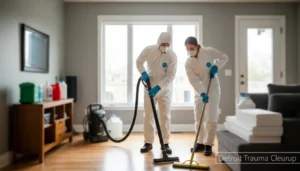
Once the assessment is complete, the team initiates a strict PPE protocol. Every technician dons Level B personal protective equipment: Tyvek suits, N95 respirators or supplied-air units, face shields, and double-gloved hands. The area is then placed under negative pressure using industrial-grade negative air machines with HEPA filtration. This prevents airborne contaminants—including viral particles from aerosolized blood—from migrating to unaffected parts of the structure. In Detroit’s winter months, subzero temperatures can cause negative air machines to cycle more slowly, so technicians use auxiliary heaters to maintain stable indoor conditions and prevent condensation that could harbor pathogens.
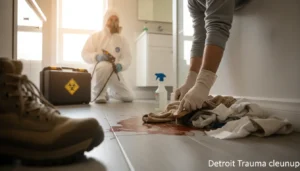
Physical removal of biohazardous material follows. Technicians use specialized forensic cleaning tools, such as disposable scalpels and absorbent pads, to lift blood and tissue. All waste is immediately double-bagged in red biohazard bags and placed in rigid containers for transport to a licensed medical waste incinerator. After gross removal, the team applies EPA-registered disinfectants with proven viral inactivation rates. For example, an accelerated hydrogen peroxide solution (0.5% concentration) achieves a 6-log reduction of Hepatitis C virus in under 5 minutes. The choice of disinfectant depends on the specific pathogens present, which is why a generic household bleach solution (often used by untrained cleaners) is insufficient—it degrades quickly in organic matter and can damage porous surfaces.
The final step is verification using adenosine triphosphate (ATP) fluorescence testing. A handheld ATP meter measures the presence of organic residue on surfaces. Readings below 10 relative light units (RLUs) indicate a biologically clean surface. This objective measure is far more reliable than visual inspection alone. If any area fails, the entire zone is re-cleaned and re-tested until it meets the threshold. Only then is the site considered structurally decontaminated and safe for reoccupancy.
To understand why professional biohazard remediation is non-negotiable, consider the following comparison derived from IICRC S540 standards and real-world case studies in Detroit.
| Feature/Metric | Professional Biohazard Remediation | Standard Residential Cleaning |
|---|---|---|
| Regulatory Compliance | OSHA 29 CFR 1910.1030, Michigan MIOSHA, EPA waste disposal, DOT transport | None (no legal authority to handle biohazard waste) |
| Pathogen Elimination | 6-log reduction of bacteria, viruses, and fungi via EPA-registered disinfectants | Household bleach (3–5% sodium hypochlorite) – ineffective against organic matter |
| Structural Assessment | Full porosity evaluation, subfloor moisture testing, thermal imaging for hidden seepage | Visual inspection only |
| Waste Disposal | Licensed medical waste incineration with chain-of-custody documentation | Mixed household trash – illegal and dangerous |
Source: IICRC S540 Trauma and Crime Scene Cleanup Standard
As a certified remediation specialist, I rely on three diagnostic techniques that most property owners and even general contractors overlook. The first is thermal imaging to detect hidden biological seepage. Blood that has run beneath baseboards or into wall cavities will emit a different thermal signature than the surrounding drywall. A thermal camera can pinpoint these areas without invasive probing, allowing us to remove only the affected material rather than tearing out entire walls. This is especially critical in Detroit’s historic homes, where original lath and plaster are irreplaceable.
The second technique is moisture content analysis. Porous materials like carpet padding, upholstery, and unsealed wood absorb biological fluids. Even after surface cleaning, the moisture trapped inside can support microbial growth for weeks. A pinless moisture meter helps us determine whether a material is salvageable (if moisture content is below 15%) or must be removed. In Detroit’s humid summer months, the ambient relative humidity can exceed 70%, making it impossible to dry porous materials to safe levels without industrial desiccant dehumidifiers.
The third technique is negative pressure differential monitoring. We use manometers to ensure a consistent pressure gradient of -0.02 inches of water column between the remediation zone and the surrounding area. This prevents cross-contamination into unaffected rooms. A common mistake property owners make is allowing curious family members or even first responders to walk through the site before remediation. I have seen cases where a single footprint transferred bloodborne pathogens to a hallway carpet, expanding the contaminated area and the cost of remediation.
Two other common pitfalls include using household bleach on biological matter and waiting for odor to dissipate naturally. Household bleach (sodium hypochlorite at 5%) is inactivated by the proteins in blood and cannot achieve the required kill rate. Moreover, the residual odor of bleach is not an indicator of cleanliness—it can mask the presence of pathogens. Waiting for odor to dissipate is equally dangerous because the smell of decay arises from volatile organic compounds (VOCs) produced by bacteria. Those same bacteria are still alive and can cause respiratory infections or allergies. The only safe approach is to trust an IICRC-certified team that uses ATP testing to confirm clearance.
Three factors heavily influence the final price. The first is the extent of structural material replacement required. A blood spill on a concrete basement floor can often be cleaned and sealed, whereas a spill on a wooden floor with gaps may require full removal. The second factor is the total volume of biohazardous waste: a single fatality may produce dozens of pounds of contaminated materials, especially if decomposition has advanced. The third factor is the need for specialized HVAC decontamination, which is common in Detroit homes where forced-air systems are central to the heating and cooling infrastructure.
Detroit Trauma cleanup adheres to the highest industry standards to protect our clients, our technicians, and the community. We are certified under the IICRC S540 standard for Trauma and Crime Scene Cleanup, which requires annual verification of our knowledge of bloodborne pathogens, chemical safety, and waste disposal. Our team also completes OSHA’s Bloodborne Pathogens Standard (29 CFR 1910.1030) training, which mandates the use of universal precautions, proper sharps disposal, and post-exposure protocols.
We use only EPA-registered disinfectants that are hospital-grade and proven effective against a broad spectrum of pathogens, including HIV, hepatitis B, hepatitis C, MRSA, and norovirus. Our waste disposal partners are licensed by the Michigan Department of Environment, Great Lakes, and Energy (EGLE) to transport and incinerate medical waste. We maintain a chain-of-custody document for every pound of waste, ensuring that it never ends up in a municipal landfill. This level of rigor is not just about compliance—it directly protects future occupants from communicable diseases. For example, a family moving into a home after a trauma without proper remediation could be exposed to bloodborne pathogens years later if dust or residue is disturbed during renovations.
Trauma cleanup involves the removal of blood, bodily fluids, tissue, and other potentially infectious materials (OPIM) that pose a risk of disease transmission. Unlike regular cleaning, which focuses on aesthetics and general hygiene, trauma cleanup follows strict regulatory protocols to ensure that no biological hazards remain. The IICRC S540 standard outlines specific steps for containment, removal, disinfection, and verification that are not part of any standard residential cleaning curriculum. Without these steps, surfaces may appear clean but still harbor viruses or bacteria.
The duration depends on the size of the affected area and the degree of contamination. A small, contained blood spill on a non-porous surface can be completed in 2–4 hours. A full room with extensive tissue damage, decomposition, or odor migration may require 8–16 hours spread over multiple days. In Detroit, winter weather can slow down the process because negative air machines and dehumidifiers are less effective in extremely cold temperatures. We account for these variables in our initial assessment and provide a realistic timeline.
No. During the remediation, the affected area is placed under negative pressure to prevent airborne contaminants from spreading. The rest of the home may be safe if it is isolated from the work zone, but we recommend that all occupants relocate until the site passes ATP testing. Vulnerable individuals—pregnant women, children, the elderly, or anyone with a compromised immune system—should avoid the property entirely. Once we issue a clearance certificate, the home is safe for reoccupancy.
Most homeowner’s insurance policies cover biohazard remediation as part of their property damage provisions, but coverage varies. We recommend contacting your insurer immediately after the incident. We provide detailed documentation of the work performed, including ATP test results, waste disposal receipts, and incident reports, which can help support your claim. In Michigan, some policies require a separate rider for crime scene cleanup, so it is important to verify your specific coverage.
First, prioritize your safety and the safety of others. Do not enter the affected area. Contact law enforcement if they are not already on site. Once the scene is released by authorities, call a certified biohazard remediation company. Do not attempt to clean anything yourself, as this can expose you to pathogens and compromise the integrity of the scene for insurance purposes. Seal off the area if possible, and avoid turning on the HVAC system, which can circulate airborne contaminants.
When you need to find discreet and compassionate trauma cleanup services near you, remember that the most professional option is the one that prioritizes science, safety, and respect. Detroit Trauma cleanup brings decades of combined experience, IICRC certification, and a deep understanding of local conditions to every job. We handle every step from initial containment to final clearance, ensuring that your property is restored to a safe, habitable condition. Whether you are dealing with a recent incident or a delayed discovery, our team is available 24/7, and we always respond with the discretion that a traumatic event demands.
We invite you to reach out for a confidential consultation. Our experts will assess the situation, provide a transparent estimate, and guide you through the process with empathy and technical precision. When you choose Detroit Trauma Cleanup, you are not just hiring a cleaning service—you are partnering with a team that treats every site with the same attention to detail and regulatory compliance that we would want for our own families. Let us help you restore peace of mind.
In the heart of Detroit, MI, traumatic events like crime scenes, unattended deaths, or accidents can leave behind hazardous messes that demand expert handling. Detroit Trauma Cleanup specializes in professional trauma scene cleanup services tailored to the unique needs of our community. With years of experience serving Detroit residents and businesses, we understand the emotional weight these situations carry. Our certified team arrives quickly to remove biohazards, sanitize properties, and ensure compliance with Michigan health regulations.
Why choose us for trauma cleanup in Detroit? We prioritize compassion alongside efficiency, working discreetly to minimize disruption in neighborhoods from Midtown to the East Side. Our services include blood cleanup, odor elimination, and full decontamination of homes, apartments, and commercial spaces. As a local Detroit business, we're committed to supporting our city by providing 24/7 emergency response—no job is too complex for our trained professionals using state-of-the-art equipment.
Don't let a traumatic incident overwhelm you. Detroit Trauma Cleanup is your reliable partner for restoring order and safety. Contact us at (313) 789-1565 today for prompt, reliable service that puts your peace of mind first. We're here to help Detroit heal, one cleanup at a time.

Trauma doesn't wait—neither should you. Contact Detroit Trauma Cleanup at (313) 789-1565 for 24/7 emergency response in Detroit. Get back to safety today before the situation worsens.
Expert handling of biohazards, crime scenes, and more for Detroit properties.
From the vibrant streets of Downtown Detroit to the suburbs like Warren and Dearborn, Detroit Trauma Cleanup covers Wayne County and beyond. As a locally owned business, we're deeply invested in our Detroit community, offering reliable support during your toughest times. Call (313) 789-1565 to serve your area today.
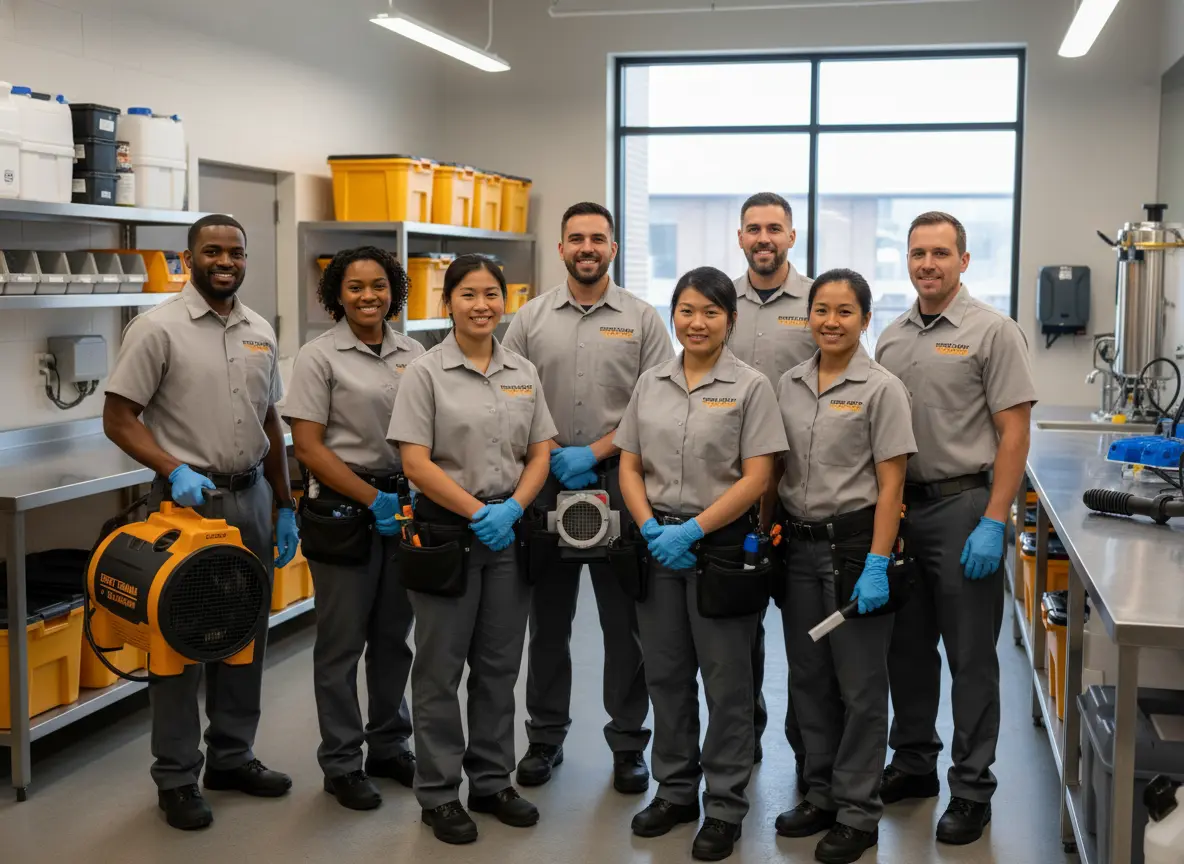
Founded in the resilient spirit of Detroit, MI, Detroit Trauma Cleanup has been serving our community for over a decade, specializing in compassionate trauma scene restoration. Our team of certified technicians brings extensive training in biohazard handling and emotional sensitivity to every job, from hoarding cleanups to suicide scene decontamination. We know the Motor City's challenges firsthand and are dedicated to providing swift, thorough services that respect privacy and restore normalcy. With a focus on local needs, we use eco-friendly products and adhere to strict safety protocols, ensuring your property is safe and sanitized. At Detroit Trauma Cleanup, our commitment is simple: we handle the mess so you can focus on healing. Call (313) 789-1565 to experience our unwavering support.
Know More About UsTrusted by homeowners across Detroit
As a licensed and insured trauma cleanup provider in Detroit, we meet all Michigan OSHA and health department standards. This protects you from liability while ensuring our team's expertise handles biohazards safely and legally every time.
Emergencies strike anytime in the D. Our round-the-clock service means we're always ready to respond quickly to trauma scenes across Detroit, minimizing stress and restoring your property without delay.
We stand by our work with a full satisfaction guarantee. If you're not completely happy with our trauma cleanup in Detroit, we'll make it right—no questions asked. Your peace of mind is our priority.
Real reviews from satisfied customers in Detroit
After a heartbreaking incident in our family home on the East Side, Detroit Trauma Cleanup arrived within hours. Their team was professional, empathetic, and left everything spotless. I can't thank them enough for handling it so discreetly. Highly recommend for anyone in Detroit needing this service.
Dealing with a crime scene cleanup was overwhelming, but these guys made it bearable. Prompt response, thorough job, and they even helped with the insurance paperwork. As a Detroit business owner, I'll call them first next time. True pros!
The compassion from Detroit Trauma Cleanup's team stood out during our accident cleanup in Midtown. They worked efficiently, explained every step, and ensured no traces remained. Affordable and reliable—grateful for local experts like them.
Stay informed with the latest Trauma cleanup tips and advice
When a traumatic incident occurs in the heart of Detroit, the aftermath can leave properties in a state of distress that’s both physically hazardous and...
Read Article
Copyright © October, 2026 Detroit Trauma cleanup. All Rights Reserved . Sitemap