
Local Trauma Cleanup Experts Share Detroit Best Practices
When a traumatic incident occurs in the heart of Detroit, the aftermath can leave properties in a state of distress that’s both physically hazardous and...
Read Article
Trauma cleanup, in the context of Detroit residential and commercial property management, is the systematic process of identifying, removing, and decontaminating biohazardous materials left after an unattended death, homicide, suicide, or severe accident. It is not a custodial service, nor does it fall under standard janitorial or housekeeping functions. The work is governed by the IICRC S540 standard for trauma and crime scene cleanup, and compliance with OSHA’s Bloodborne Pathogens Standard (29 CFR 1910.1030) is mandatory. Many property owners in Detroit mistakenly assume that a general cleaning crew can handle such scenes, but the reality is far different—professional remediation involves specialized equipment, chemical agents, and a meticulous protocol to ensure the site is restored to a safe, habitable condition.
In the city of Detroit, where residential architecture ranges from historic brick homes in Indian Village to modern lofts in Midtown, the structural variables can dramatically influence the complexity of a cleanup. The prevalence of older homes with porous materials like plaster, lath, and hardwood flooring means that biological fluids can seep into subflooring, wall cavities, and HVAC systems. Without professional intervention, these hidden reservoirs become sources of persistent odor and long-term health risks. Understanding the true cost of trauma cleanup in Detroit in 2026 requires an appreciation for the technical rigor, the local environmental factors, and the regulatory landscape that shapes every remediation project.
Detroit Trauma cleanup provides the premier, authoritative, and discreet service for property owners, families, and property managers navigating these difficult situations. Our team is certified, fully insured, and trained to handle every aspect of biohazard restoration with compassion and precision.
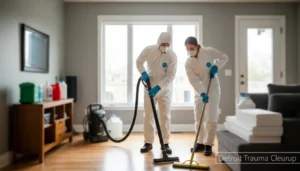
Every trauma cleanup project in Detroit begins with a site assessment. A certified technician arrives in a marked but discreet vehicle, conducts a walkthrough, and identifies all affected areas. This assessment includes measuring the extent of saturation in porous materials, checking for mold growth that may have already started due to moisture from bodily fluids, and evaluating the condition of the HVAC system. The technician then establishes containment zones using polyethylene sheeting and negative air machines that create a pressure differential, preventing airborne contaminants from migrating to unaffected parts of the property.
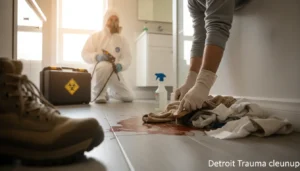
Once containment is established, technicians don full personal protective equipment (PPE)—Tyvek suits, N100 respirators, face shields, and chemical-resistant gloves. The first physical removal step involves extracting all visible biohazardous matter using hospital-grade absorbents and specialized enzymatic cleaners that break down proteins at a molecular level. Unlike household bleach, which can actually fix proteins to surfaces and create false negatives in ATP testing, enzymatic agents dissolve organic matter, allowing for complete removal. After the gross removal phase, the team applies an EPA-registered broad-spectrum disinfectant with a contact time of at least 10 minutes to ensure viral inactivation (including hepatitis B, hepatitis C, and HIV).
Michigan’s seasonal climate introduces a unique variable. During winter, when heating systems run continuously, the warm, dry air can desiccate biological matter on the surface while fluids continue to wick into porous materials below. In summer, high humidity accelerates decomposition and odor production. Our technicians adjust dwell times and chemical concentrations based on ambient temperature and humidity readings taken at the site. After the chemical disinfection phase, we perform adenosine triphosphate (ATP) fluorescence testing using a handheld luminometer. ATP testing measures residual biological contamination at the molecular level; a reading below 10 relative light units (RLU) indicates a surface is effectively clean. This scientific validation is a key differentiator between professional remediation and a simple bleach wipe-down.
Finally, structural encapsulation may be required. For heavily contaminated areas where removal of porous materials is not feasible—such as subflooring beneath original hardwood—we apply a specialized sealant that traps any remaining microscopic particles and prevents off-gassing. The entire process is documented with photographs and lab reports, providing property owners with a verifiable record of restoration that satisfies insurance requirements and future health inquiries.
First, detecting hidden biological seepage is an art that relies on thermal imaging and moisture meters. In Detroit homes with plaster and lath walls, blood and other fluids can travel horizontally along lath strips behind the plaster surface, leaving the visible paint untouched. A standard visual inspection will miss this entirely. By using a combination of FLIR thermal cameras to detect temperature differentials caused by moisture and pinless moisture meters to assess saturation levels, we can precisely map the extent of contamination without invasive probing. This saves the property owner money by targeting only the necessary removal areas and prevents future odor or mold issues.
Second, the common assumption that any porous material can be cleaned and reused is incorrect when it comes to bloodborne pathogens. The proteins in blood and other bodily fluids bond with cellulose fibers in wood, drywall, and carpet padding at a molecular level. Cleaning agents cannot penetrate deep enough to denature these proteins. Even after multiple cleaning cycles, the material remains a biohazard. In practice, we replace all affected drywall, carpet, and padding up to 18 inches above the visible stain line. This is not an upsell—it is a safety requirement supported by IICRC guidelines and OSHA’s interpretation of engineering controls.
Third, maintaining negative pressure within the containment zone is non-negotiable. Without it, airborne pathogens—including fungal spores from decomposing tissue—can be drawn into the HVAC system and distributed throughout the entire property. We always seal supply and return vents within the containment area and use a HEPA-filtered negative air machine that exhausts to the exterior. We also conduct a smoke test to verify that the containment is airtight before beginning any removal work. This step is particularly critical in Detroit’s multi-unit residential buildings, where cross-contamination could affect neighboring units and create liability for the property owner.
One of the most frequent errors is applying household bleach directly to biological matter. Bleach is a strong oxidizer, but it is not an effective cleaner for organic soils. When bleach contacts blood, it causes the proteins to coagulate and adhere more firmly to surfaces. This creates a false appearance of cleanliness while leaving behind a reservoir of pathogens that can reactivate when moisture returns. The result is lingering odor and a surface that tests positive for ATP even after multiple cleaning attempts. We have seen cases where homeowners spent weeks trying to mask the smell with air fresheners, only to require full structural decontamination later at a higher cost.
Another mistake is waiting for odors to dissipate naturally. By the time the smell of decomposition is detectable, the biological material has already begun to break down, releasing volatile organic compounds (VOCs) and airborne bacteria. These VOCs can permeate drywall, insulation, and wood framing. In one Detroit case in a 1920s bungalow, a family waited three weeks after an unattended death before calling for professional help. The odor had migrated through the unsealed HVAC ductwork and attached garage, requiring us to encapsulate the entire crawlspace and replace the ductwork at a cost exceeding $12,000. Early intervention almost always reduces total remediation costs by 30 to 40 percent.
Finally, allowing untrained personnel—such as family members, friends, or even general contractors—into a known biohazard site is extremely dangerous. The risk of exposure to bloodborne pathogens, including hepatitis C and HIV, persists until the site is fully decontaminated and verified by ATP testing. In Michigan, any person entering a known biohazard environment without proper PPE and training is at risk of legal liability for negligence and potential workers’ compensation claims. Professional remediation teams carry specific insurance policies that cover on-site injuries and exposures, protecting the property owner from secondary litigation.
Three primary factors influence the final cost. First, the extent of structural material replacement required is the largest variable. Replacing drywall, carpet, padding, and subflooring adds $1,000 to $5,000 to a typical job. Second, the total volume of biohazardous waste directly affects disposal costs—large scenes with significant fluid migration can generate up to four medical waste containers. Third, the necessity for specialized HVAC decontamination, including duct cleaning and the use of hydroxyl generators or ozone machines to neutralize odor, adds $800 to $2,500. In Detroit, older homes with forced-air heating systems are more likely to require this service because of the labyrinthine ductwork common in pre-war construction.
All trauma cleanup performed by Detroit Trauma cleanup adheres to the IICRC S540 standard, which is the recognized industry benchmark for trauma and crime scene remediation. Our technicians hold current certifications in trauma scene cleanup, bloodborne pathogen awareness, and the proper handling of regulated medical waste. We also maintain a written exposure control plan as required by OSHA 29 CFR 1910.1030, which details our protocols for PPE use, vaccination programs (including hepatitis B), and post-exposure evaluation.
The practical importance of these standards cannot be overstated. In a real-world scenario, a property owner who hires an uncertified crew exposes themselves to legal risk. If a worker is injured or contracts a disease on-site, the property owner could be held liable for medical costs, lost wages, and penalties under Michigan’s occupational safety laws. Additionally, improper disposal of biohazardous waste—such as placing it in regular trash—violates Michigan’s medical waste regulations (Part 138 of the Public Health Code) and can result in fines of up to $25,000 per violation. Using a certified remediation service that follows these protocols ensures compliance and protects everyone involved.
A professional remediation team should perform a final ATP test on all cleaned surfaces immediately after the disinfection step. If the reading exceeds 10 RLU, the surface must be re-cleaned and re-tested. For high-risk areas such as kitchens and bathrooms in a trauma scene, we recommend a second test 24 hours later to confirm that no residual moisture or recontamination has occurred. In Detroit’s humid summer months, this follow-up is especially important because condensation on cleaned surfaces can provide a medium for bacterial regrowth.
No. Occupants should not be present while active remediation is underway due to the use of chemical disinfectants, the presence of airborne pathogens during removal, and the operation of negative air machines that create a slight vacuum. For detached single-family homes in Detroit, we typically advise vacating the premises for the duration of the cleanup, which is usually one to two days. For multi-unit buildings, we coordinate with property managers to ensure adjacent units are sealed off. Once we complete final ATP testing and the containment is removed, the property is safe for re-entry.
Many homeowners insurance policies in Michigan cover trauma cleanup under the “sudden and accidental” damage provision, similar to fire or water damage. However, coverage varies significantly by policy. We always advise property owners to contact their insurance agent before authorizing work. Detroit Trauma cleanup can provide detailed documentation and scope-of-work reports that insurance adjusters require. In some cases, the cost of remediation is fully covered, minus the deductible. For unattended deaths, where decomposition has occurred over several days, policies may have specific exclusions, so early disclosure to the insurer is critical.
Odor recurrence is a clear sign that biological material was not fully removed or that moisture has reactivated dormant pathogens. In such cases, a post-remediation assessment using a handheld volatile organic compound (VOC) detector and thermal imaging is necessary. Often, the source is a hidden pocket of contamination behind a wall or under a floor that was missed during the initial cleanup. Detroit Trauma cleanup offers a 12-month warranty on all remediation work: if any odor returns within that period, we will return at no charge to identify and correct the issue. This guarantee is backed by our rigorous ATP testing protocols.
Facing the aftermath of a traumatic event is never easy, but the technical and emotional complexities of site restoration should not be left to chance. The cost of trauma cleanup in Detroit in 2026 reflects the level of expertise, specialized equipment, and regulatory compliance required to restore a property to a safe and livable condition. Cutting corners by hiring an unqualified service may save money upfront, but the long-term risks—health hazards, structural damage, legal liability, and diminished property value—far outweigh any short-term savings.
Detroit Trauma cleanup combines technical precision with compassionate service. Our team understands the unique challenges of Detroit’s residential and commercial properties, from historic architecture to modern builds, and we tailor every remediation plan to the specific conditions of the site. We provide transparent pricing, detailed documentation for insurance claims, and a 12-month warranty on all work. When you need trusted, discreet, and scientifically rigorous biohazard remediation in Detroit, contact us for a confidential consultation and estimate.
In the heart of Detroit, MI, traumatic events like crime scenes, unattended deaths, or accidents can leave behind hazardous messes that demand expert handling. Detroit Trauma Cleanup specializes in professional trauma scene cleanup services tailored to the unique needs of our community. With years of experience serving Detroit residents and businesses, we understand the emotional weight these situations carry. Our certified team arrives quickly to remove biohazards, sanitize properties, and ensure compliance with Michigan health regulations.
Why choose us for trauma cleanup in Detroit? We prioritize compassion alongside efficiency, working discreetly to minimize disruption in neighborhoods from Midtown to the East Side. Our services include blood cleanup, odor elimination, and full decontamination of homes, apartments, and commercial spaces. As a local Detroit business, we're committed to supporting our city by providing 24/7 emergency response—no job is too complex for our trained professionals using state-of-the-art equipment.
Don't let a traumatic incident overwhelm you. Detroit Trauma Cleanup is your reliable partner for restoring order and safety. Contact us at (313) 789-1565 today for prompt, reliable service that puts your peace of mind first. We're here to help Detroit heal, one cleanup at a time.

Trauma doesn't wait—neither should you. Contact Detroit Trauma Cleanup at (313) 789-1565 for 24/7 emergency response in Detroit. Get back to safety today before the situation worsens.
Expert handling of biohazards, crime scenes, and more for Detroit properties.
From the vibrant streets of Downtown Detroit to the suburbs like Warren and Dearborn, Detroit Trauma Cleanup covers Wayne County and beyond. As a locally owned business, we're deeply invested in our Detroit community, offering reliable support during your toughest times. Call (313) 789-1565 to serve your area today.
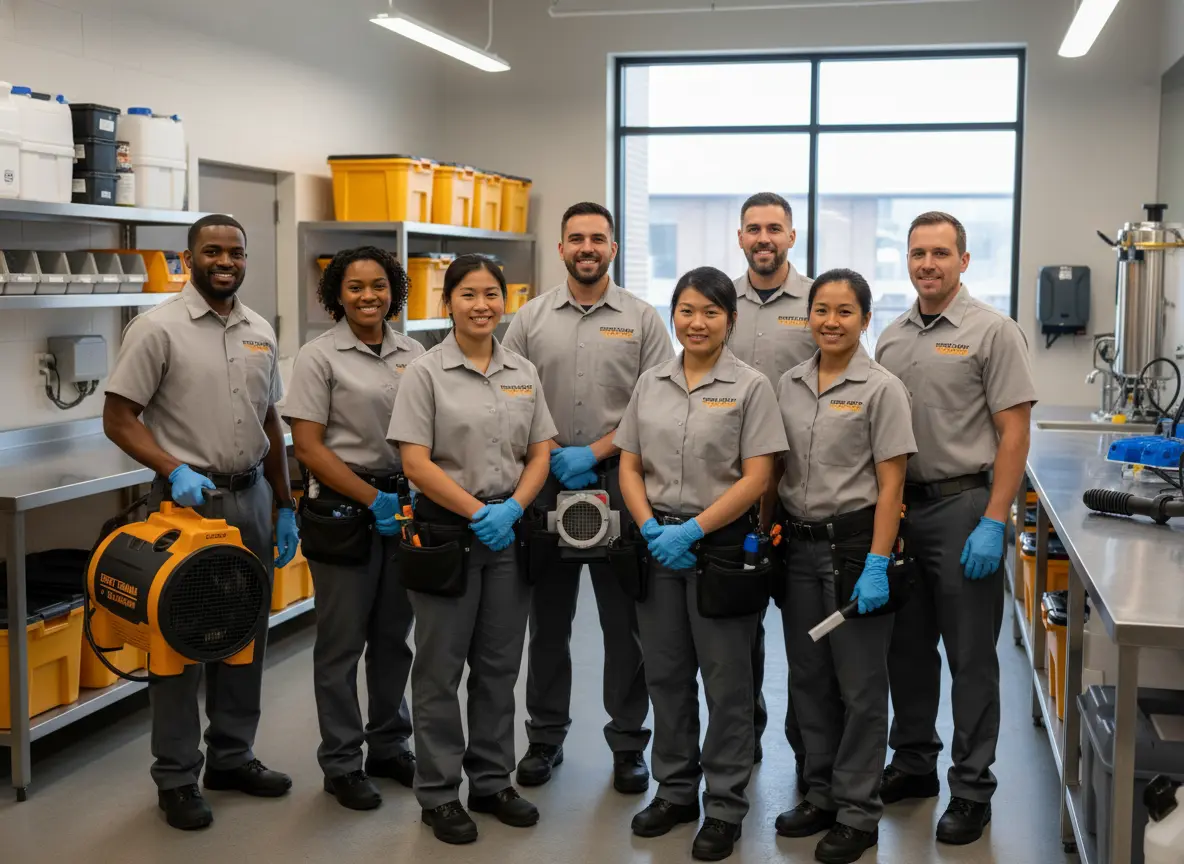
Founded in the resilient spirit of Detroit, MI, Detroit Trauma Cleanup has been serving our community for over a decade, specializing in compassionate trauma scene restoration. Our team of certified technicians brings extensive training in biohazard handling and emotional sensitivity to every job, from hoarding cleanups to suicide scene decontamination. We know the Motor City's challenges firsthand and are dedicated to providing swift, thorough services that respect privacy and restore normalcy. With a focus on local needs, we use eco-friendly products and adhere to strict safety protocols, ensuring your property is safe and sanitized. At Detroit Trauma Cleanup, our commitment is simple: we handle the mess so you can focus on healing. Call (313) 789-1565 to experience our unwavering support.
Know More About UsTrusted by homeowners across Detroit
As a licensed and insured trauma cleanup provider in Detroit, we meet all Michigan OSHA and health department standards. This protects you from liability while ensuring our team's expertise handles biohazards safely and legally every time.
Emergencies strike anytime in the D. Our round-the-clock service means we're always ready to respond quickly to trauma scenes across Detroit, minimizing stress and restoring your property without delay.
We stand by our work with a full satisfaction guarantee. If you're not completely happy with our trauma cleanup in Detroit, we'll make it right—no questions asked. Your peace of mind is our priority.
Real reviews from satisfied customers in Detroit
After a heartbreaking incident in our family home on the East Side, Detroit Trauma Cleanup arrived within hours. Their team was professional, empathetic, and left everything spotless. I can't thank them enough for handling it so discreetly. Highly recommend for anyone in Detroit needing this service.
Dealing with a crime scene cleanup was overwhelming, but these guys made it bearable. Prompt response, thorough job, and they even helped with the insurance paperwork. As a Detroit business owner, I'll call them first next time. True pros!
The compassion from Detroit Trauma Cleanup's team stood out during our accident cleanup in Midtown. They worked efficiently, explained every step, and ensured no traces remained. Affordable and reliable—grateful for local experts like them.
Stay informed with the latest Trauma cleanup tips and advice
When a traumatic incident occurs in the heart of Detroit, the aftermath can leave properties in a state of distress that’s both physically hazardous and...
Read Article
Copyright © October, 2026 Detroit Trauma cleanup. All Rights Reserved . Sitemap